
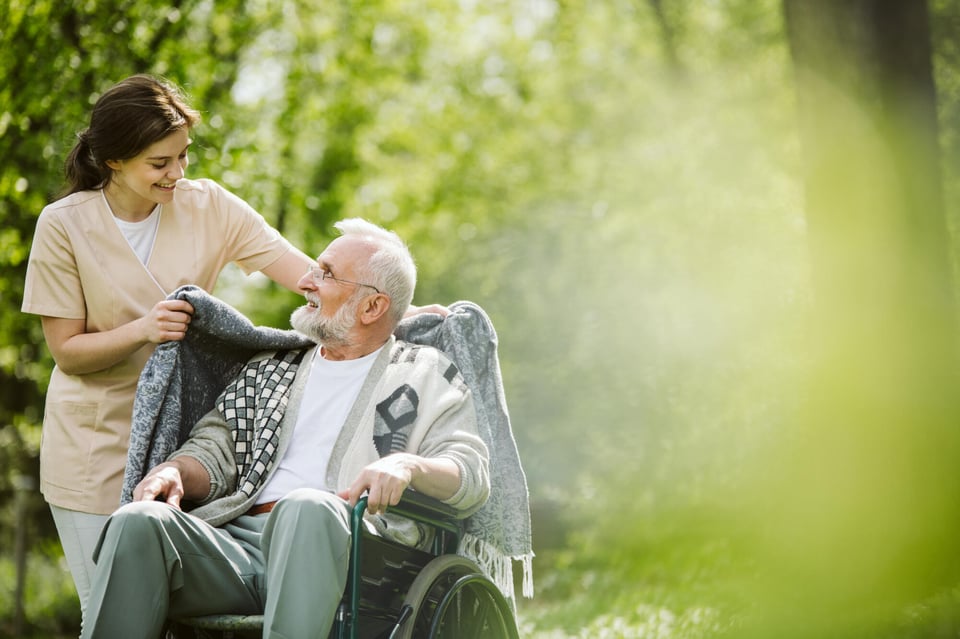
Discovery Commons Whittier, located in Whittier, CA, supports seniors experiencing irritability and anxiety in aging. Our programs encourage calm daily routines for a better quality of life.
According to the National Library of Medicine, anxiety disorders occur in 5% to 21% of adults in the U.S. with dementia. Anxiety can also cause mood shifts in seniors, leading to irritability and aggressive outbursts.
Establishing calm routines in assisted living plays a crucial role in reducing stress. Promoting emotional stability helps minimize behavioral changes with dementia.
Learn more about how Whittier senior care supports seniors' emotional well-being and daily engagement in Whittier, CA, below.
How Does Senior Living Support Seniors Experiencing Anxiety or Irritability?
The Alliance for Aging Research reveals that around 44.6% of individuals with Alzheimer's dementia show signs of developing agitation. A senior with agitation may experience:
- Restlessness
- Pacing
- Wandering
- Shouting
- Repetitive questions
- Aggression (verbal and physical)
Senior living communities support seniors experiencing anxiety or irritability through structured routines and personalized care.
Creating calm environments reduces stress and provides stability. Consistent schedules and familiar surroundings help seniors feel safe.
Staff monitor residents closely and respond to their emotional needs promptly. Social connections prevent isolation and promote emotional balance.
Therapy programs and wellness initiatives address anxiety directly. Regular support and engagement improve mood and overall well-being.
What Daily Routines Help with Managing Mood Shifts in Seniors?
Daily routines help seniors manage mood shifts by providing structure and predictability. Structured daily activities help maintain emotional balance throughout the day.
Consistent wake-up times support mental health. Regular meals support physical well-being.
Gentle exercise, like walking, improves energy. Spending time outdoors provides fresh air and natural light.
Scheduled social activities promote connection. Social connections reduce feelings of loneliness and isolation.
Mindfulness practices, such as deep breathing, encourage relaxation. Creative hobbies allow emotional expression through various media, including:
- Painting
- Music
- Poetry
- Gardening
- Writing
- Crafting
Setting clear expectations for daily tasks reduces frustration. Personalized routines match individual preferences and support seniors' independence.
Which Therapies or Activities Reduce Anxiety in Aging?
The National Council on Aging and the University of California, Berkley, report that sleeplessness can increase anxiety by as much as 30% the following day.
Adequate sleep strengthens emotional resilience and lowers anxiety. Restful nights support clearer thinking and calmer moods daily.
Various therapies and activities reduce anxiety in aging. Aromatherapy uses gentle scents to ease tension.
Pet therapy offers warm companionship that softens anxious feelings. Guided imagery encourages steady focus.
Massage therapy releases tightness and promotes relaxation. Reminiscence sessions spark positive memories.
Sensory rooms create soothing engagement. Supportive counseling provides space for open expression. Targeted support restores calm and improves stability.
How Can Caregivers Identify the Early Signs of Behavioral Changes With Dementia?
Caregivers can notice early signs of behavioral changes with dementia. Shifts in communication may indicate emerging challenges.
Confusion during simple conversations is another warning sign. Withdrawal from social activities can appear early on.
Restlessness during quiet moments provides additional insight. Experiencing sudden irritability in calm settings warrants attention.
Changes in sleep patterns require monitoring. Pacing or wandering necessitates careful observation.
Repeatedly asking questions signals anxiety or memory loss. Hesitation with familiar tasks, such as dressing, may show uncertainty.
Keeping a daily journal helps track patterns. Early recognition supports timely intervention and care.
Consistent daily support improves seniors' overall well-being.
What Features Promote Calm Routines in Assisted Living?
Calm routines in assisted living grow from spaces and practices that support comfort. Personalized schedules adjust to each resident's pace.
Wide hallways reduce stress and feelings of tension. Uncluttered rooms prevent confusion.
Natural views and outdoor courtyards encourage relaxation. Quiet rooms allow peaceful engagement in hobbies.
Adaptive tools help residents complete tasks independently. Staff provide gentle guidance during activity transitions.
Sensory corners provide gentle stimulation. Using familiar textures and objects creates a sense of security.
Short movement activities promote energy without strain. Creative sessions engage residents' minds and inspire self-expression.
Safe and accessible environments help residents feel calmer and more confident.
Are There Specialized Programs for Residents in Whittier Senior Care Communities?
Discovery Commons Whittier offers specialized programs to meet residents' unique needs. Memory support activities focus on cognitive engagement and mental stimulation.
Art and music programs allow creative expression and emotional connection. Small-group workshops offer hands-on learning and foster a sense of accomplishment.
Fitness classes improve strength and mobility safely. Social clubs encourage interaction and build friendships.
Life skills workshops promote independence in daily routines. Mind-body activities, like chair yoga, support relaxation and balance.
Nutritional guidance ensures meals meet health goals. Technology classes help residents stay connected with family.
Each program adapts to seniors' individual abilities. Doing so creates meaningful engagement daily.
Frequently Asked Questions
What Lifestyle Changes Can Help Seniors Naturally Improve Emotional Health?
Seniors can improve emotional health through simple lifestyle changes. Spending time in nature boosts mood and reduces stress.
Maintaining hobbies keeps the mind active. Staying socially connected prevents loneliness. Hydration improves focus and energy.
Learning new skills builds confidence. Stretching or yoga encourages relaxation.
Consistent routines enhance stability and well-being.
How Do Social Interactions Impact Mental Well-Being in Older Adults?
Social interactions play a key role in mental well-being for older adults. Conversations stimulate cognitive function.
Sharing experiences strengthens emotional bonds. Group activities provide purpose and enjoyment. Companionship reduces feelings of isolation.
Supportive friendships improve resilience. Participating in clubs or volunteer work fosters belonging.
Regular engagement enhances mood and promotes a positive outlook.
What Nutritional Approaches Support Mood Stability in Seniors?
Balanced meals support mood stability in seniors. Foods rich in omega-3s improve brain function.
Including fruits and vegetables provides essential vitamins. Limiting processed foods reduces irritability.
Consuming whole grains supports steady energy. Adequate protein helps maintain energy and focus.
Regular meal timing prevents dips in blood sugar.
Experience Exceptional Senior Living at Discovery Commons Whittier, CA, Today
Supporting seniors' emotional health relies on consistent routines and predictable daily activities. Engaging in social and creative opportunities improves mood and reduces stress. Personalized care and gentle guidance help seniors maintain confidence and a sense of purpose.
Discovery Commons Whittier, located in Whittier, CA, offers assisted living and SHINE® Memory Care services. Our exclusive senior living programs provide personalized support and engaging activities designed to enhance daily life and promote emotional well-being.
We create a welcoming space that encourages independence and inspires engagement. Contact Discovery Commons Whittier to schedule a community tour or to request more information today.