
Watching your spouse experience memory changes can be emotional and uncertain. You may find yourself questioning what normal aging is and what signals a need for more support. Understanding the signs a spouse needs memory care can help you make thoughtful decisions with clarity and compassion.
In many cases, changes happen gradually. Recognizing patterns early gives you time to explore options, ask questions, and choose the right next step without waiting for a crisis.
1. Daily Tasks Become Overwhelming
When your spouse begins struggling with everyday routines they’ve managed for years, it may signal advancing cognitive changes. Tasks like preparing meals, managing medications, or maintaining personal hygiene can become confusing or forgotten.
You may notice:
- Burnt pots on the stove or abandoned cooking tasks
- Missed medications or confusion about prescriptions
- Wearing the same clothes repeatedly or neglecting hygiene
- Frustration with once-familiar routines or avoiding them altogether
These changes go beyond forgetfulness. They can create real safety concerns and often indicate that more consistent, structured support is needed.
2. Behavioral Changes Create Safety Concerns
As cognitive changes and memory loss progress, behavior often shifts as well. When your husband exhibits confusion about their surroundings, wandering tendencies, or becomes agitated easily, it often indicates progressing cognitive decline.
Your spouse might leave home without telling you, forget where they are during familiar outings, or become distressed in previously comfortable situations.
These moments are not intentional. They are a response to confusion and stress. In a setting designed for memory support, associates are trained to respond calmly, redirect attention, and create a sense of reassurance.
3. Your Own Health Is Suffering
Many spouses take on caregiving gradually, often without realizing how much the role has expanded. Over time, it can affect sleep, emotional well-being, and overall health. If your physical or emotional health is declining, it may be time to consider additional support.
- Signs of caregiver burnout may include:
- Poor sleep due to constant supervision
- Missing your own medical appointments
- Withdrawing from social connections
- Feeling overwhelmed, anxious, or depressed
Understanding when dementia requires memory care often includes recognizing your own limits. Support is not just for your spouse. It helps you maintain your role as a partner, not just a caregiver.
4. Medical Professionals Express Concerns
Healthcare providers often recognize progression before families fully accept it. If a doctor suggests a higher level of support, it’s usually based on patterns that indicate increasing risk.
Medical professionals can identify subtle changes in cognition that family members might attribute to normal aging. They understand when a wife needs specialized dementia care based on diagnostic evaluations and observed progression patterns. Their outside perspective can be invaluable.
Taking these professional recommendations seriously means beginning to explore options and plan ahead. Taking early action often leads to better outcomes and a smoother transition.
5. Isolation Increases Despite Your Best Efforts
Another important sign is withdrawal from social life. Your spouse may lose interest in conversations, hobbies, or time with others. Even with your encouragement, engagement becomes more difficult.
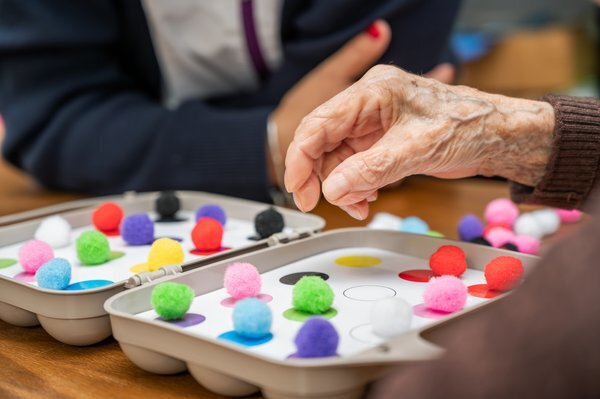
In a supportive environment, structured programs are designed specifically for individuals living with dementia. At Discovery Commons Whittier, daily experiences are adapted to each resident’s abilities, helping encourage connection without overwhelm.
Consistent social interaction can help reduce isolation and support emotional well-being.
What These Signs Often Mean
Recognizing these patterns is not about labeling a moment. It is about understanding the overall trajectory. When a husband shows memory loss symptoms like we’ve discussed here, it often points to a need for more consistent support than one person can provide at home.
Memory care offers:
- A secure, thoughtfully designed environment
- Predictable daily routines that reduce confusion
- Personalized engagement based on each resident’s history and preferences
- Support from trained associates who understand dementia
This type of structure can help reduce stress for both you and your spouse while improving day-to-day quality of life.
Making the Decision with Compassion
Recognizing advanced memory problems in your spouse is one of the hardest moments you may face. Choosing memory care is not about stepping away. It’s about ensuring your spouse receives the right level of support in a setting designed for their needs.
If you are already researching memory care placement timing, your instincts are guiding you toward a solution. Trust your instincts and observations. Acting sooner allows for a smoother transition and more thoughtful decision-making.
At Discovery Commons Whittier, residents are supported through SHINE Memory Care® with personalized routines, engaging programs, and a comfortable, home-like setting that prioritizes dignity and connection.
Schedule a personal tour at Discovery Commons Whittier today to see how a personalized approach to memory support can make a meaningful difference for your family.